
All conditions
English
English简体中文繁體中文TürkçeEspañolBahasa MelayuBahasa IndonesiaTiếng ViệtPortuguêsРусский

Oral and maxillofacial tumors
Treatment options in Shanghai

For confirmed oral cancer, removing the tumor and restoring the ability to eat, speak and live well belong in the same decision. The site, stage and pathology guide surgery and possible later treatment. Shanghai’s oral-maxillofacial and reconstructive specialists can plan the cancer operation and functional recovery together.

Treatment choices, eligibility and timing require an individual assessment by the hospital's clinical team.
Editorial illustration for “Oral cancer surgery in Shanghai: plan tumor removal and reconstruction together”
Oral cancer surgery in Shanghai: plan tumor removal and reconstruction together

Find treatment options that fit your goal.

Explore specialist care, procedures and research relevant to this condition in Shanghai. Your treating team must confirm what is suitable for you.

Understand the planned cancer operation

Explore treatment options

Cancer surgery may remove the tumour with surrounding tissue; bone may also require treatment when involved. Ask the surgeon to explain the proposed extent and what evidence supports it, including the distinction between suspected and confirmed involvement. The discussion should make clear which structures are expected to be preserved and what might change after further assessment or during surgery. Do not choose a smaller operation only because its reconstruction sounds easier. Equally, ask why each proposed component is needed rather than assuming a larger operation is necessarily more effective for every case.

View original source
Include the neck and subsequent treatment in the plan

Explore treatment options

The team may need to discuss lymph nodes in the neck as well as the visible mouth lesion. Ask how the neck has been assessed, whether an additional procedure is proposed and what its purpose is. Some patients need radiotherapy or other treatment after surgery, so reconstruction should be discussed alongside the anticipated treatment sequence. Ask which decisions can be made now and which depend on the final surgical pathology. A successful wound closure does not establish that all cancer treatment is complete, and a recommendation for further therapy is not automatically evidence that the operation failed.

View original source

Ask what reconstruction can realistically contribute

Explore treatment options

Reconstruction may involve restoring tissue or bone, while some patients use a prosthetic dental or facial solution. The appropriate approach depends on the defect and the condition of remaining tissues, including previous treatment. Ask what the proposed method aims to make possible: swallowing particular food textures, managing saliva, speaking more clearly or supporting appearance. Discuss whether reconstruction would occur with tumour removal or at another stage, and why. The operation's technical name is less useful than understanding its purpose, limitations, donor-site consequences and the possibility that further adjustments could be necessary.

View original source

Treatment choices, eligibility and timing require an individual assessment by the hospital's clinical team.

Choose a hospital with the right expertise.

Start with each specialty's standing, then see the specific care it offers for this condition. Shanghai Ninth People’s Hospital

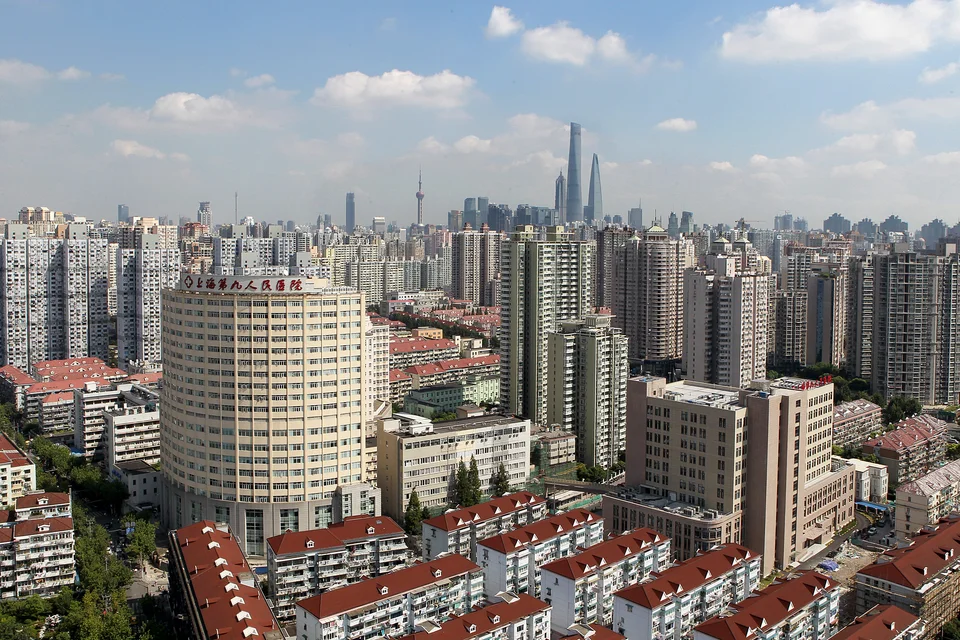
Photograph of Shanghai Ninth People’s Hospital
Shanghai Ninth People’s Hospital

Shanghai Ninth People’s Hospital

Oral and maxillofacial surgery
Different teams address oral and maxillofacial tumours and orthognathic reconstruction. Patients can explore the relevant services for tumour care or facial and jaw deformities.
Ninth Hospital’s oral oncology and reconstruction pathway
Shanghai Ninth People’s Hospital lists oral and maxillofacial–head and neck oncology, craniomaxillofacial surgery, plastic surgery and prosthodontics. Its reconstructive expertise is relevant when a cancer operation may affect the tongue, jaw or other structures needed for speech and swallowing. A coordinated Shanghai review can ask how much tissue must be removed, whether neck treatment is needed, what reconstruction may preserve function and when radiotherapy or other treatment belongs in the sequence. Planning these together gives the patient a clearer picture of life after surgery. Explore the Shanghai Ninth People’s Hospital profile and Oral and maxillofacial tumors guide to prepare focused questions. View original source View original source
See hospital expertise

Clinical cases, services and research are identified separately. Published material does not confirm current availability or individual eligibility.

Care planning

Tell us what care you are looking for. We can help you understand hospital options, document requirements and travel arrangements.

Turn your treatment goal into a clear next step.

Before your visit

Organise existing test results and questions

When planning

Understand hospital locations, costs and appointment timing

After arriving in China

Translation and care coordination as agreed

The initial service consultation is free. Hospital care and any subsequent paid services are explained separately.

Records to prepare

Start with the records you already have. Your treating doctor will decide whether further tests are needed.

Oral and maxillofacial tumors

  • The complete biopsy or operation pathology report
  • Oral, jaw and neck imaging and any staging examinations
  • Dental status, swallowing or speech problems and previous treatment

Further reading

Explore the diagnosis, possible care paths and questions to ask your treating team.

Oral cancer surgery in Shanghai: plan tumor removal and reconstruction together
Does every oral cancer operation require jaw reconstruction?

No. The site and extent of tissue or bone removal differ. Ask whether bone is actually involved and what reconstruction is intended to achieve. A soft-tissue defect and a jaw defect should not be treated as the same problem. View original source View original source

Can reconstruction guarantee normal speech and swallowing?

No. The result depends on the disease, the tissues treated and rehabilitation, among other factors. Ask for realistic functional goals and what support is available if recovery is incomplete. Appearance alone does not measure these outcomes. View original source

If surgery removes the visible tumour, why discuss radiotherapy afterwards?

Some patients need additional treatment to reduce the risk of recurrence. The recommendation depends on the full clinical and pathological assessment. Ask which findings drive the decision and how the timing will be coordinated with wound healing and rehabilitation. View original source

Turn your treatment goal into a clear next step.

Tell us what care you are looking for. We can help you understand hospital options, document requirements and travel arrangements.

The initial service consultation is free. Hospital care and any subsequent paid services are explained separately.Treatment choices, eligibility and timing require an individual assessment by the hospital's clinical team.

Contact us

Your message opens in WhatsApp or your email app for you to review before sending. Please do not include a full medical record in the first message.

Contact us on WhatsApp Contact us by email
Sources and editorial notes

See the original sources behind the clinical and hospital information on this page.

  1. NCI: Lip and oral cavity cancer treatment

    View original source

  2. NCI: Head and neck cancers

    View original source

  3. Shanghai government: Ninth People's Hospital

    View original source

  4. Shanghai Jiao Tong University School of Medicine: Ninth Hospital plastic and reconstructive surgery

    View original source

See hospital expertiseContact us