Founding of a specialist cancer hospital
Established on March 1, 1931, the hospital began a cancer care tradition now spanning more than nine decades.
Third nationally for oncology reputation, and birthplace of the Fudan classification of breast cancer.
Founded in 1931, Fudan University Shanghai Cancer Center ranked third in oncology and second in pathology in the 2023 Fudan National Specialty Reputation Rankings. With seven national key clinical specialties, it integrates pathological diagnosis, multidisciplinary treatment and classification research. The Fudan classification of triple-negative breast cancer and individualized treatment of pancreatic neuroendocrine tumors exemplify its connection between clinical care and research.
Founded in 1931, with pathology established in 1949, the hospital brings diagnostic foundations, surgery, drug treatment and radiotherapy into one specialist cancer system. Its breast, pancreatic and other teams use molecular classification and clinical research to improve understanding of disease and treatment strategies.
National reputation in oncology and pathology, national key clinical specialties and original classification research support expertise from diagnosis through combined treatment.
2023 Fudan National Specialty Reputation Rankings · Published in November 2024
2023 national specialty reputation
2023 national specialty reputation
The hospital's current introduction · Checked in September 2026
Oncology and pathology are the ranking's original specialty categories, rather than outcome rankings for individual cancers.
The hospital's current introduction lists seven national key clinical specialties, alongside Shanghai key laboratories for breast tumors, pancreatic tumors, radiation oncology and other fields.
Established in 1949, pathology is a national key clinical specialty. The hospital also operates dedicated multidisciplinary outpatient services, wards and disease-specific treatment centers.
Shao Zhimin and Jiang Yizhou's team published multiomics research in 2019 identifying four subtypes, followed by the FUTURE trial and development of an immunohistochemistry-based testing method.
Established on March 1, 1931, the hospital began a cancer care tradition now spanning more than nine decades.
This laid the foundation for tumor pathology diagnosis. The department later became a national key clinical specialty and the host institution for the Shanghai Clinical Pathology Quality Control Center.
Yu Xianjun founded the pancreatic surgery department, developing individualized combined treatment centered on surgery.
The research divided triple-negative breast cancer into four molecularly distinct subtypes and was published in Cancer Cell.
Explore Shanghai Cancer Center's contributions in each field, from specialty standing to notable achievements, and the conditions this expertise supports.
Original research in 2019 · Published in Cancer Cell
Breast surgery connects molecular breast cancer profiling with treatment research. Shao Zhimin, Jiang Yizhou and colleagues proposed four triple-negative subtypes, then advanced more accessible testing methods and subtype-driven clinical trials.
Using genomic, transcriptomic and clinical patient data, the team identified luminal androgen receptor, immunomodulatory, basal-like immune-suppressed and mesenchymal subtypes.
For triple-negative breast cancer progressing after multiple lines of treatment, the team conducted an umbrella trial using subtype and molecular testing to explore matched treatments for different subtypes.
The immunohistochemical classification method entered the Chinese Anti-Cancer Association's Breast Cancer Diagnosis and Treatment Guidelines and Standards in 2021, bringing research into clinical testing.
The breast surgery department and associated research platforms were established in 2000. Their current scope includes surgery, systemic therapy and clinical research.
Newly diagnosed breast cancer requires a plan based on pathology and receptor results. Triple-negative or recurrent metastatic disease also requires review of subtype, previous medications and changes in lesions when discussing surgery, systemic therapy or research assessment.
Hospital specialty credentials · Checked in September 2026
The pancreatic surgery and pancreatic cancer multidisciplinary treatment department was established in 2010. Its main research areas are surgical techniques, tumor staging and individualized combined treatment. It is also the institution of the chair of the Chinese Anti-Cancer Association's Pancreatic Cancer Committee.
The department developed papillary pancreaticojejunostomy and dedicated pancreatic surgical instruments, improving digestive tract reconstruction after resection and surgical procedures.
Yu Xianjun's team studied surgical approaches, lymph node management and recurrence prediction, proposing modified staging and risk models to establish individualized treatment strategies.
The pancreatic surgery/pancreatic cancer multidisciplinary treatment department brings together collaboration in surgery, endoscopy, interventional procedures and drug treatment.
The team led the Chinese Anti-Cancer Association Guidelines for the Diagnosis and Treatment of Neuroendocrine Tumors (2022) and an English-language expert consensus, drawing on domestic multicenter data.
Pancreatic cancer and pancreatic neuroendocrine tumors require separate assessment. The team considers resectability, whether some pancreatic function can be preserved, systemic treatment sequencing, and postoperative recurrence risk and follow-up.
Discover the specialists' contributions and the conditions and treatments they focus on.
Showing 2 representative specialists
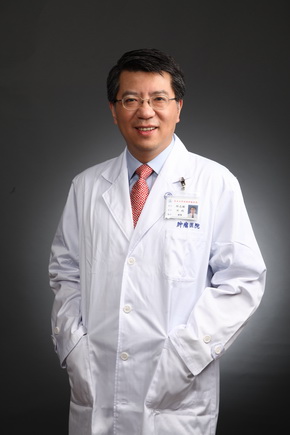
Breast surgery
Chief physician
Leading researcher behind the Fudan classification of triple-negative breast cancer
Ask about this doctorShao Zhimin, Jiang Yizhou and colleagues established a classification system for triple-negative breast cancer, translating multiomics findings into testing methods and clinical trials.
In 2019, he published research in Cancer Cell with Jiang Yizhou and colleagues, establishing four molecular subtypes of triple-negative breast cancer and a corresponding research framework.
His team conducted the FUTURE trial and developed an immunohistochemical classification method, which entered Chinese breast cancer treatment guidelines in 2021.
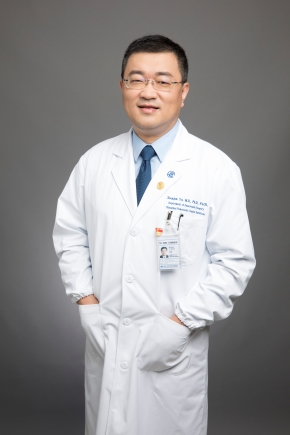
Pancreatic surgery
Chief physician · Professor
Recipient of the National Science Fund for Distinguished Young Scholars · Leading expert in a pancreatic tumor clinical innovation award project
Ask about this doctorYu Xianjun's work spans pancreatic tumor surgery, combined treatment and translational research, emphasizing differences in tumor biology, surgical extent and preservation of pancreatic function.
He established Fudan Cancer Center's pancreatic surgery department in 2010, advancing integrated development of surgery and combined treatment, and later received support from the National Science Fund for Distinguished Young Scholars.
He led the development and application of new individualized strategies for pancreatic neuroendocrine tumors, receiving the inaugural Shanghai Municipal Hospital Clinical Innovation Award in 2024 for work on surgical selection, lymph node risks and recurrence prediction.
These profiles describe professional expertise and notable experience. The doctor, campus and appointment time are confirmed when arranging care.
Tell eastmedgo about the specialty, doctor or care question that matters to you, through WhatsApp or email.
Initial service inquiries are free. Medical assessments and treatment recommendations are provided by the receiving hospital and doctors.
Medical guides related to this hospital’s specialties.

A guide to lumpectomy decisions, surgical margins and radiotherapy coordination when considering breast cancer surgery in Shanghai and follow-up at home.
Read articleA Shanghai review of neoadjuvant treatment for nonmetastatic TNBC: confirm subtype, stage, expected benefit, risks and the surgical plan.
Read article