Founding of a specialist children's hospital
With a mission of pediatric care, teaching and research, the hospital developed a comprehensive system of children's specialties.
First nationally for pediatric medicine reputation, turning children's health research into national standards.
Founded in 1952, Children's Hospital of Fudan University is a designated institution of the National Children's Medical Center in Shanghai. Pediatric medicine and pediatric surgery ranked first and second respectively in the 2023 Fudan National Specialty Reputation Rankings. Its contributions include a dual-indicator screening method for congenital heart disease in newborns, adopted into national public health policy, and long-term disease-specific research in childhood epilepsy, neurodevelopment and rare diseases.
From its establishment in 1952 to its role in developing a National Children's Medical Center, the hospital has continually advanced care for complex and critical illness and childhood disease research. Newborn congenital heart screening exemplifies the move from research into public health practice.
Beyond pediatric reputation and national platforms, its achievements support diagnosis, treatment and long-term management of childhood cardiovascular disease, epilepsy and rare neurological conditions.
2023 Fudan National Specialty Reputation Rankings · Published in November 2024
2023 national specialty reputation
2023 national specialty reputation
Approved in 2017
Pediatric medicine and pediatric surgery are ranking categories. The pediatric medicine ranking is not divided into personal rankings for neurology or cardiology.
The hospital undertakes care for complex and critically ill children, clinical research and translation. The National Health Commission's approval identifies it as a designated institution of the National Children's Medical Center in Shanghai.
Huang Guoying's team combined cardiac auscultation and pulse oximetry into a dual-indicator method. A national screening program began in 2018, with its national project management office based at the hospital.
Neurology began in 1978. Electrophysiology, neuromuscular and multidisciplinary platforms developed around epilepsy, neurodevelopment and rare diseases, with a tuberous sclerosis clinic established in 2013.
With a mission of pediatric care, teaching and research, the hospital developed a comprehensive system of children's specialties.
Professor Sun Daokai introduced electroencephalography and specialist neurology clinics, creating one of China's earlier pediatric neurology services.
Huang Guoying's team and 20 hospitals across China completed a prospective study proposing a dual-indicator screening approach for newborns.
As a designated institution in Shanghai, the hospital joined development of the National Children's Medical Center.
The National Health Commission launched a newborn congenital heart disease screening program and placed its project management office at the hospital.
Explore Children's Hospital's contributions in each field, from specialty standing to notable achievements, and the conditions this expertise supports.
Neurology services since 1978 · Leadership of major national research projects
Since neurology began in 1978, the specialty has developed expertise in childhood epilepsy, neurodevelopmental disorders, neuromuscular disease and rare inherited conditions. Disease cohorts and multidisciplinary teams extend research into causes toward long-term management.
As chief principal investigator, Wang Yi undertook a 2016–2018 project on omics-based molecular classification of epilepsy, combining clinical phenotypes with molecular research to advance more detailed disease stratification.
In 2013, Wang Yi, Zhou Shuizhen and colleagues helped establish a dedicated clinic. In 2022 Wang led the Fudan tuberous sclerosis collaboration group, connecting multidisciplinary management from fetal life through childhood and adulthood.
Collaboration with Tsinghua University's National Engineering Research Center for Neuromodulation in 2023 established preoperative assessment involving medical and surgical specialists, electrophysiology and imaging.
EEG neurophysiology facilities, neuromuscular pathological and molecular diagnosis, and sleep monitoring support assessment of different neurological conditions.
Neurology specialists, nursing and clinical nutrition work together on ketogenic treatment management and family education.
For refractory epilepsy, developmental disorders, tuberous sclerosis and other complex neurogenetic diseases, the team combines seizure history, EEG, imaging and genetic records to investigate causes and assess medication, ketogenic diet, surgery or neuromodulation.
The national program launched in 2018, with Fudan Children's Hospital responsible for project management
Focused on congenital heart disease and Kawasaki disease, the specialty connects early recognition, noninvasive diagnosis, intervention and long-term cardiovascular follow-up.
Huang Guoying's team combined cardiac auscultation with transcutaneous pulse oximetry in a prospective study across 20 hospitals, published in The Lancet in 2014.
In 2018, the National Health Commission launched congenital heart screening in 24 provincial-level regions. The hospital undertook national project management, promoting early diagnosis and treatment systems.
Huang Guoying and colleagues studied Kawasaki disease epidemiology, clinical management and predictive markers, receiving the 2013 Chinese Medical Science and Technology Second Prize.
The pediatric cardiovascular team studies congenital heart disease causes, noninvasive echocardiographic diagnosis and early intervention.
Clinical areas include congenital heart disease, Kawasaki disease and inherited cardiovascular disorders.
This expertise is relevant to questions about congenital heart diagnosis and intervention timing, coronary involvement in Kawasaki disease and inherited cardiovascular assessment. The pediatric cardiovascular team interprets tests alongside the child's age, symptoms and structural and functional changes.
Discover the specialists' contributions and the conditions and treatments they focus on.
Showing 3 representative specialists
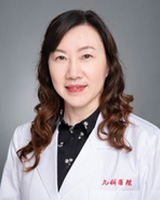
Pediatric neurology
Chief physician · Professor
Director of the National Children's Medical Center · Pediatric neurology leader
Ask about this doctorShe focuses on childhood epilepsy, neurodevelopmental disorders and rare neurological diseases, organizing clinical research and interdisciplinary collaboration to advance causal diagnosis and long-term management.
She undertook the 2016–2018 molecular epilepsy classification project and led research on clinical diagnosis, prevention and treatment standards for childhood autism, advancing classification and standardized neurological care.
In 2013 she and Zhou Shuizhen helped establish a TSC clinic. In 2022 she led the Fudan collaboration group linking pediatrics, oncology, obstetrics and gynecology, and basic research teams.
Pediatric neurology
Chief physician · Professor
Pediatric neurology service development specialist · Founder of a ketogenic multidisciplinary team
Ask about this doctorWorking in pediatric care, teaching and research since 1984, she has extensive experience in epilepsy, developmental disorders and neurogenetic disease. She headed neurology from 2009 to 2023.
She coordinated neurology, nursing and nutrition, integrating ketogenic treatment, adherence support and family education into specialist teamwork.
With Wang Yi and others, she helped establish a tuberous sclerosis clinic in 2013 and led research on genotype, development, quality of life and epilepsy.
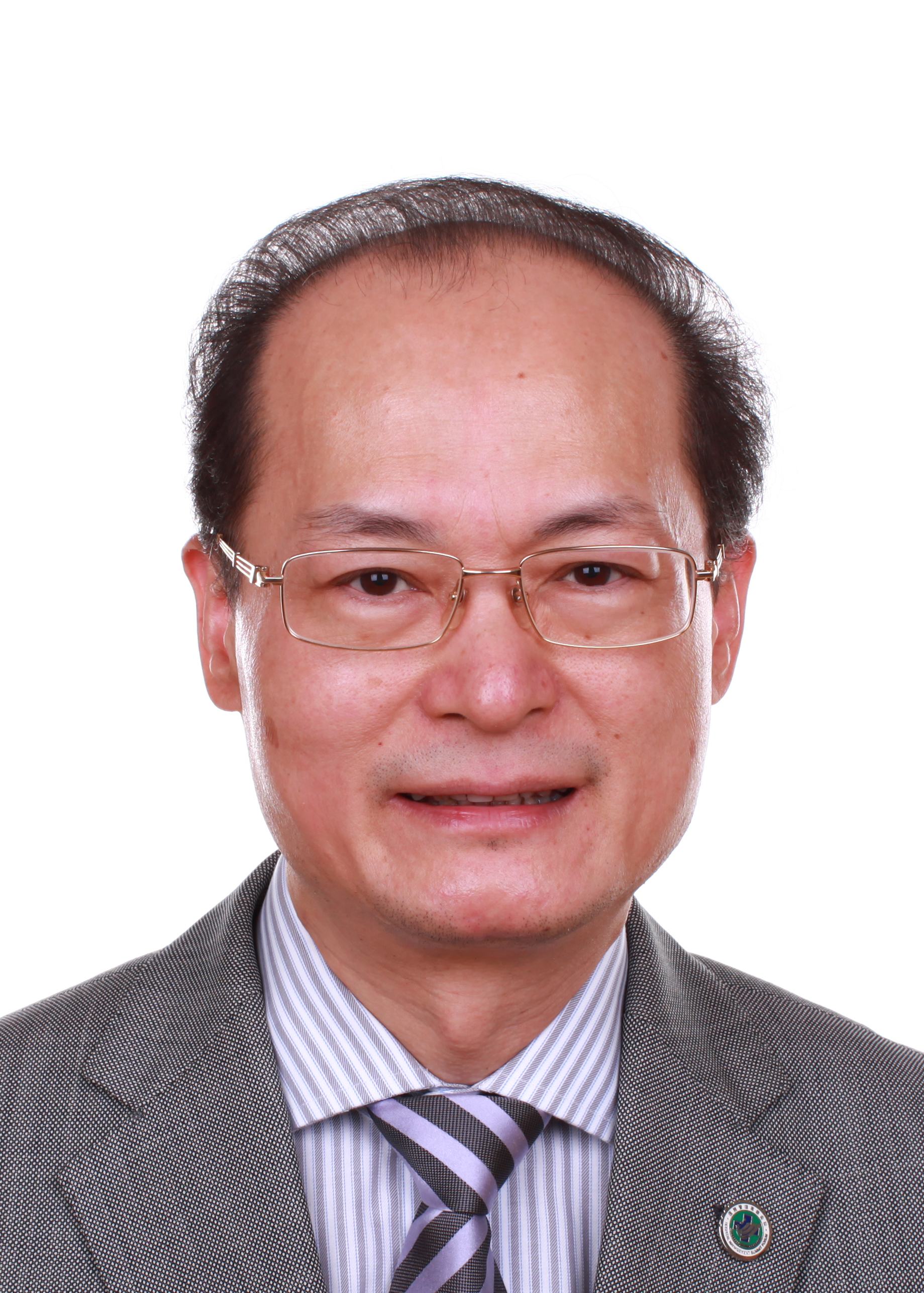
Pediatric cardiology
Chief physician · Professor · Doctoral supervisor
Director of the national newborn congenital heart screening program management office
Ask about this doctorHe has long studied early diagnosis and intervention for congenital heart disease and Kawasaki disease, using multicenter research to advance standardized pediatric cardiovascular management.
He and 20 hospitals established the dual-indicator method, published in The Lancet in 2014 and translated into the national newborn congenital heart screening program in 2018.
As the first-ranked principal contributor, he studied epidemiology, clinical management and predictive markers, receiving the 2013 Chinese Medical Science and Technology Second Prize and a Shanghai Science and Technology Progress Second Prize.
These profiles describe professional expertise and notable experience. The doctor, campus and appointment time are confirmed when arranging care.
Tell eastmedgo about the specialty, doctor or care question that matters to you, through WhatsApp or email.
Initial service inquiries are free. Medical assessments and treatment recommendations are provided by the receiving hospital and doctors.
Medical guides related to this hospital’s specialties.

Understand the different roles of video EEG, MRI and functional assessment before childhood epilepsy surgery, and prepare a focused Shanghai consultation.
Read articleUnderstand a pediatric VUS result, family testing, clinical correlation and follow-up before arranging genetic counselling in Shanghai.
Read article