A pioneer of Western medicine after Shanghai opened as a treaty port
Renji Hospital was founded, beginning a tradition of clinical care, teaching and research that continues today.
First nationally for gastroenterology reputation: Renji advances medicine through original research.
Founded in 1844, Renji Hospital ranked first in gastroenterology and third in rheumatology in the 2023 Fudan National Specialty Reputation Rankings. Its gastrointestinal cancer risk detection and prevention work and pediatric liver transplantation techniques both received 2018 National Science and Technology Progress Second Prizes. Its lupus research spans the national 973 program and Cell. From precancerous lesions to immune disorders and pediatric end-stage liver disease, Renji's strengths rest on defined specialty standing and medical contributions.
Renji's importance extends beyond its founding date. Gastroenterology studies how to identify and prevent gastrointestinal cancer; rheumatology investigates lupus immune mechanisms; liver surgery develops pediatric transplantation techniques and management standards. Clinical challenges, original research and national dissemination connect here.
National reputation in gastroenterology and rheumatology, and national awards in gastrointestinal cancer and pediatric liver transplantation, provide concrete measures of its strengths.
Rankings follow the 2023 Fudan National Specialty Reputation Rankings
2023 national specialty reputation
2023 national specialty reputation
2018 National Science and Technology Progress Awards
Reputation rankings, national science awards and overall hospital grades use different assessment criteria and are shown separately.
Gastroenterology is a national key discipline and national key clinical specialty. Its key laboratory supports research into gastrointestinal cancer development, precancerous lesions and clinical translation.
In 2018, Fang Jingyuan's gastrointestinal cancer risk detection and prevention work and Xia Qiang's pediatric liver transplantation techniques each received a National Science and Technology Progress Second Prize.
Rheumatology is a national key clinical specialty, undertakes national 973 research on systemic lupus erythematosus, and organizes collaboration through the Shanghai Clinical Research Center for Rheumatic and Immune Diseases.
Renji Hospital was founded, beginning a tradition of clinical care, teaching and research that continues today.
Building on earlier autoimmune research by Chen Shunle and colleagues, the department was formally established with lupus as a long-term clinical and research focus.
Key technologies in gastrointestinal cancer risk detection and prevention and pediatric liver transplantation each received a National Science and Technology Progress Second Prize, presented in 2019.
A multicenter randomized controlled trial led by Fang Jingyuan's team was published in The Lancet Gastroenterology & Hepatology, studying berberine's effect on recurrence after adenoma removal.
Explore Renji Hospital's contributions in each field, from specialty standing to notable achievements, and the conditions this expertise supports.
2023 Fudan National Specialty Reputation Rankings · Gastroenterology
The nationally first-ranked gastroenterology specialty connects gastrointestinal cancer risk identification, precancerous lesion research and endoscopic techniques into a continuous system of expertise. Its contributions include national science awards, multicenter clinical trials and clinical consensus.
Fang Jingyuan's team received a national award for research on gastrointestinal cancer mechanisms, early recognition and prevention.
As corresponding author, Fang Jingyuan led a seven-hospital comparison of berberine and placebo, published in The Lancet Gastroenterology & Hepatology.
Li Xiaobo edited a narrow-band imaging atlas, a magnifying endoscopy diagnostic manual and case analyses of early upper gastrointestinal cancer, connecting image-based lesion recognition with endoscopic treatment.
Long-standing clinical care and research in gastrointestinal cancer, digestive endoscopy and related digestive diseases.
Supporting research into gastrointestinal cancer mechanisms, the intestinal microbiome and translation in precancerous disease.
Gastrointestinal precancerous lesions, early cancers and complex polyps require assessment of endoscopic images, pathology and prior resection records. Specialist teams support risk assessment, lesion recognition, endoscopic treatment and long-term management.
2023 Fudan National Specialty Reputation Rankings · Rheumatology
Formally established in 1979, the department has long focused on systemic lupus erythematosus. Its national 973 work, international basic research and clinical guidelines underpin Renji's academic influence in rheumatology and immunology.
Shen Nan serves as chief scientist, bringing multidisciplinary teams together to study genetics, immune regulation, biomarkers and therapeutic targets.
Shen Nan collaborated with Chen Lingling and Yang Li's teams on circular RNA stability and PKR activation, serving as a co-corresponding author.
A clinical and research platform for rheumatic and immune diseases, with disease-specific specialist areas.
Based at Renji, the center connects clinical research, sample resources and translation through multicenter collaboration.
The department covers systemic lupus erythematosus, rheumatoid arthritis, Sjögren's syndrome, inflammatory myopathies and vasculitis. Featured specialist Shen Nan's personal focus is molecular diagnosis and targeted treatment research in lupus.
2018 · Development and clinical dissemination of key pediatric liver transplantation technologies
Renji's major contribution to pediatric liver transplantation is a transferable technical framework for reconstructing small vessels, matching donors and recipients, and postoperative immune management. Xia Qiang's team advances the field through original techniques and Chinese clinical standards.
With Xia Qiang as first-ranked contributor, the team developed a series of advances in surgical techniques, immune monitoring and postoperative management.
The team pioneered autologous portal vein patching for reconstruction of narrowed portal veins and led China's first clinical guideline for pediatric liver transplantation.
Combining pediatric liver transplantation techniques, perioperative management and professional training.
Clinical and basic research through the Shanghai Organ Transplantation and Immunology Engineering Technology Research Center and related institutes.
Relevant teams assess surgery for pediatric end-stage liver disease, biliary atresia, and benign and malignant liver tumors. The hospital must assess transplant indications, donor and recipient conditions and subsequent care according to regulations and clinical requirements.
Discover the specialists' contributions and the conditions and treatments they focus on.
Showing 4 representative specialists
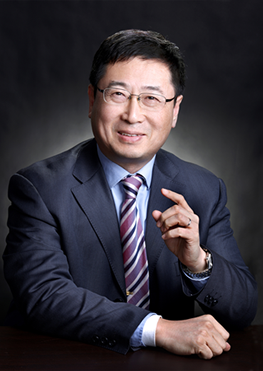
Gastroenterology and gastrointestinal endoscopy
Member of the Chinese Academy of Sciences · Chief physician · Professor
Elected to the Chinese Academy of Sciences in 2025 · First-ranked contributor to two National Science and Technology Progress Second Prizes
Ask about this doctorHe has long treated gastrointestinal cancer and precancerous diseases, combining intestinal microbiome research, carcinogenesis mechanisms and clinical prevention trials to study identification and intervention before cancer develops.
As first-ranked contributor, he received the 2008 and 2018 National Science and Technology Progress Second Prizes. The 2018 work focused on gastrointestinal cancer risk detection, prevention and mechanisms of development.
As corresponding author, he organized a multicenter double-blind study whose 2020 results examined berberine for prevention of recurrence after adenoma removal, and led related Chinese consensus work.
The receiving doctor, campus and appointment time depend on hospital arrangements.
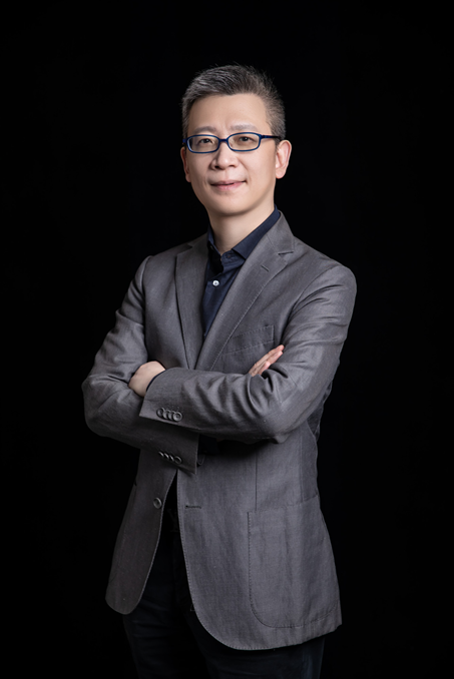
Gastroenterology and gastrointestinal endoscopy
Chief physician
Sixth-ranked contributor to a 2018 National Science and Technology Progress Second Prize · Editor of gastrointestinal endoscopy reference books
Ask about this doctorHe focuses on endoscopic diagnosis and treatment of early digestive tract cancers and polyps, combining narrow-band imaging, magnifying endoscopy and endoscopic resection.
He contributed to the award-winning work on new discoveries in gastrointestinal cancer risk detection, prevention and development and their clinical applications.
He edited an atlas of narrow-band imaging, a magnifying endoscopy manual for early gastrointestinal cancer diagnosis and case analyses of early upper gastrointestinal cancer.
The receiving doctor, campus and appointment time depend on hospital arrangements.
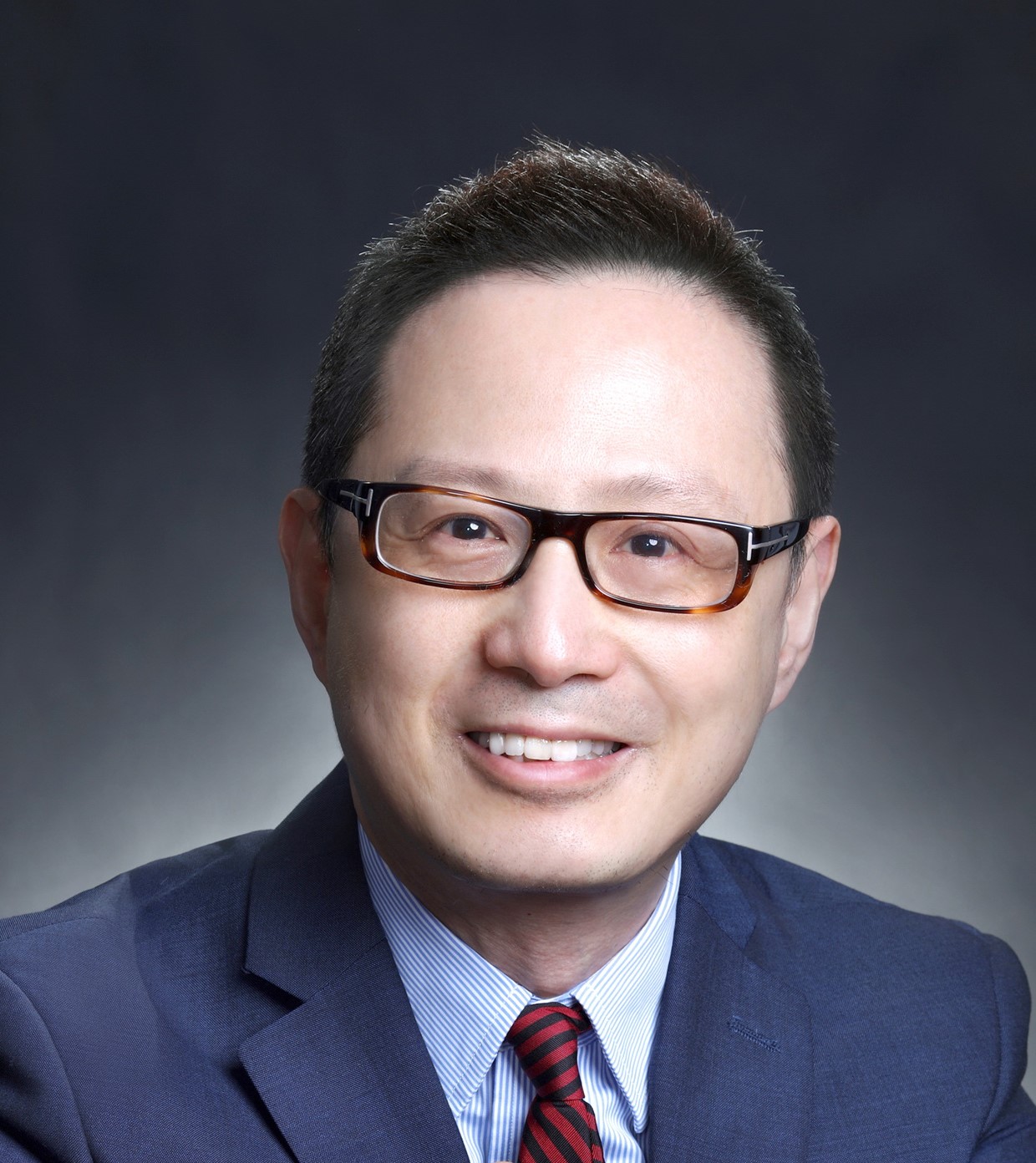
Rheumatology and immunology
Chief physician · Professor · Doctoral supervisor
National 973 project chief scientist · Edmund Dubois Memorial Award recipient
Ask about this doctorHis work in systemic lupus erythematosus spans molecular diagnosis, genetic mechanisms and targeted treatment research, advancing immunological discoveries toward translational research and clinical trials.
He led research into systemic lupus erythematosus mechanisms and new diagnostic and treatment strategies, coordinating genetics, immunology and clinical teams.
With collaborating teams, he showed how circular RNA structure and stability contribute to innate immune PKR regulation, providing mechanistic evidence for understanding abnormal immunity in lupus.
The receiving doctor, campus and appointment time depend on hospital arrangements.
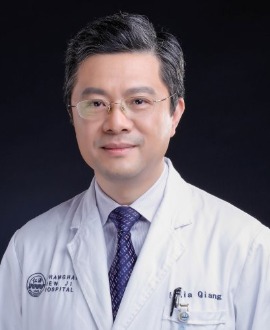
Liver surgery and pediatric liver transplantation
Member of the Chinese Academy of Engineering · Chief physician · Professor
First-ranked contributor to a 2018 National Science and Technology Progress Second Prize
Ask about this doctorHe has long focused on pediatric end-stage liver disease, liver surgery and transplantation, studying small-vessel reconstruction, perioperative management and immune monitoring.
As first-ranked contributor, he led the development and dissemination of key pediatric liver transplantation technologies.
He led the team's autologous portal vein patch reconstruction work and chaired development of China's first clinical guideline for pediatric liver transplantation.
The receiving doctor, campus and appointment time depend on hospital arrangements.
These profiles describe professional expertise and notable experience. The doctor, campus and appointment time are confirmed when arranging care.
Tell eastmedgo about the specialty, doctor or care question that matters to you, through WhatsApp or email.
Initial service inquiries are free. Medical assessments and treatment recommendations are provided by the receiving hospital and doctors.
Medical guides related to this hospital’s specialties.

Compare endoscopic removal and surgery for an early stomach lesion, understand what changes the decision, and prepare a focused assessment in Shanghai.
Read articleUnderstand why gastric biopsy wording, biopsy locations, H. pylori and family history lead to different assessment and surveillance decisions.
Read article