Founding of Guangci Hospital
Ruijin's predecessor, Guangci Hospital, was established, beginning a century-long tradition as a general hospital and medical teaching institution.
First nationally for endocrinology reputation.
A birthplace of Chinese innovation in leukemia treatment.
Founded in 1907, Ruijin Hospital ranked first in endocrinology and third in hematology in the 2023 Fudan National Specialty Reputation Rankings. Its differentiation-inducing treatment for acute promyelocytic leukemia and the Shanghai Protocol gained international recognition; its hematology translational medicine team received a 2023 National Science and Technology Progress First Prize. The National Clinical Research Center for Metabolic Diseases and national translational medicine infrastructure continue its tradition of turning medical discoveries into clinical advances.
Beginning as Guangci Hospital, Ruijin developed distinctive traditions in endocrinology, blood diseases and severe burn care. It treated China's first primary aldosteronism case in 1957, introduced all-trans retinoic acid for acute promyelocytic leukemia in 1986, and went on to develop the synergistic targeted treatment known as the Shanghai Protocol.
Today, this heritage connects national specialty reputation, national clinical research centers, national key laboratories and national science awards.
2023 Fudan National Specialty Reputation Rankings · Published in November 2024
2023 national specialty reputation
2023 national specialty reputation
2023 National Science and Technology Progress Award · Innovation Team · Presented in 2024
Rankings reflect peer reputation for the specified year; national awards recognize the work of the named research teams.
Approved in August 2013 and built on the endocrinology and metabolic diseases department and institute, the center organizes multicenter clinical studies and collaborative research networks for diabetes, obesity and complex endocrine disorders.
The national major science and technology infrastructure for translational medicine was approved for construction in 2013 and passed acceptance in 2023. The State Key Laboratory of Medical Genomics was reorganized in 2023 as the National Key Laboratory of Omics and Diseases.
The team, whose academic leaders include Chen Saijuan, Chen Zhu and Zhao Weili, received the 2023 National Science and Technology Progress First Prize in the Innovation Team category. Its work extends from original leukemia discoveries to lymphoma, myeloma and other blood diseases.
Ruijin's predecessor, Guangci Hospital, was established, beginning a century-long tradition as a general hospital and medical teaching institution.
Combining hormone testing with clinical judgment marked an important milestone in the development of endocrinology in China.
Wang Zhenyi's team brought laboratory discoveries into the clinical treatment of acute promyelocytic leukemia, advancing differentiation-inducing cancer therapy.
The 2023 National Science and Technology Progress First Prize in the Innovation Team category was presented, recognizing more than three decades of original innovation and clinical translation.
Explore Ruijin Hospital's contributions in each field, from specialty standing to notable achievements, and the conditions this expertise supports.
2023 Fudan National Specialty Reputation Rankings · Endocrinology
Ruijin is one of the important origins of endocrinology and metabolic medicine in China. It connects precise hormone testing, genetic and molecular classification, and collaboration across specialties, making notable contributions to adrenal disease and endocrine tumor diagnosis.
Ruijin diagnosed and treated China's first case of primary aldosteronism, then continued to improve hormone testing and techniques for localizing adrenal lesions.
Wang Weiqing's project established molecular classifications of endocrine tumors and a series of diagnostic techniques, earning First Prize with Wang as the first-ranked contributor. A separate adrenal disease project received the 2012 National Science and Technology Progress Second Prize.
Approved in 2013 to develop shared clinical research facilities and a collaborative research network.
Collaboration among clinical medicine, imaging, nuclear medicine and pathology supports complex cases. The specialty received the Shanghai Quality Gold Award in 2020.
For complex diabetes, obesity with metabolic abnormalities, Cushing's syndrome and adrenal disorders, the team considers symptoms, hormone results and imaging together, connecting diagnosis of the cause, medication management and assessment by related treatment specialties.
2023 Fudan National Specialty Reputation Rankings · Hematology
Ruijin hematology's defining contributions began with leukemia: all-trans retinoic acid differentiation therapy, disease-causing fusion gene research, and the Shanghai Protocol combining retinoic acid with arsenic trioxide. This translational approach later expanded into lymphoma, myeloma and cellular immunology research.
Wang Zhenyi, Chen Zhu, Chen Saijuan and colleagues advanced research on differentiation and synergistic targeted treatment. They connected clinical and mechanistic research on all-trans retinoic acid and arsenic trioxide, developing a defining treatment approach for this specific leukemia subtype.
Zhao Weili's team established a diagnostic and treatment framework around disease mechanisms, molecular classifications suited to Chinese patients, multicenter studies and drug resistance, and led related guidelines and consensus statements.
The 2023 award, presented in 2024, recognized the team's accumulated research in translational hematology.
Combining multicenter blood cancer research and leukemia registry data to support classification, target discovery and clinical studies.
Leukemia, lymphoma and myeloma must each be considered according to their pathological and molecular types. The specialty's diagnostic and research platforms support classification of complex blood cancers, assessment of relapse and resistance, and treatment selection, bringing together teams in drug, targeted and cellular therapies.
Discover the specialists' contributions and the conditions and treatments they focus on.
Showing 2 representative specialists
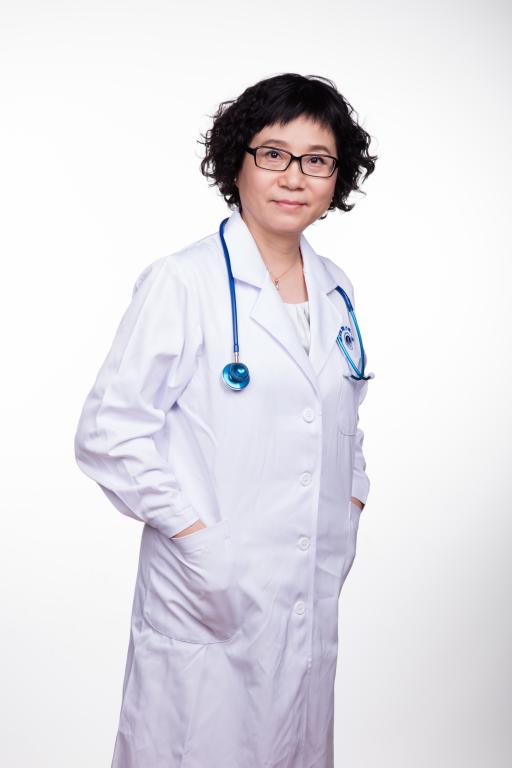
Endocrinology and metabolism
Chief physician · Professor
Endocrine tumor diagnostic researcher · First-ranked contributor to a Shanghai Science and Technology Progress First Prize
Ask about this doctorWang Weiqing has long researched adrenal and endocrine tumors, applying discoveries about disease mechanisms, molecular classifications and hormone testing to the diagnosis of complex cases.
She led the project on new discoveries in endocrine tumor mechanisms and the development and application of clinical diagnostic and treatment techniques, receiving the 2016 Shanghai Science and Technology Progress First Prize as the first-ranked contributor.
Since 2003, she has focused on measuring catecholamine metabolites, establishing testing approaches including metanephrines and advancing diagnosis and follow-up techniques for pheochromocytoma.
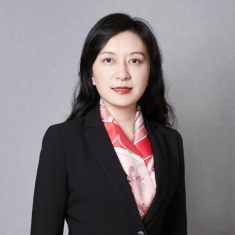
Hematology
Chief physician · Professor
One of the academic leaders of the national award-winning hematology innovation team
Ask about this doctorZhao Weili focuses on lymphoma, connecting molecular mechanisms, resistance research and multicenter clinical studies while helping develop the hematology translational medicine innovation team.
She led a project on new discoveries in lymphoma mechanisms and the development and application of key diagnostic and treatment technologies, receiving the 2018 National Science and Technology Progress Second Prize for work including molecular classification and treatment strategies.
She worked with a national multicenter team on a non-interventional study of axicabtagene ciloleucel for lymphoma and, with co-researchers, published a related commentary in the New England Journal of Medicine in 2023.
These profiles describe professional expertise and notable experience. The doctor, campus and appointment time are confirmed when arranging care.
Tell eastmedgo about the specialty, doctor or care question that matters to you, through WhatsApp or email.
Initial service inquiries are free. Medical assessments and treatment recommendations are provided by the receiving hospital and doctors.
Medical guides related to this hospital’s specialties.
Prepare an adult type 2 diabetes review in Shanghai covering kidney tests, heart diagnoses, low glucose, organ protection, medication costs and continuity.
Read articleCompare obesity medication and metabolic surgery: response, side effects, surgical suitability, diet changes, nutritional supplements and long-term follow-up in Shanghai.
Read article