All conditions
English
English简体中文繁體中文TürkçeEspañolBahasa MelayuBahasa IndonesiaTiếng ViệtPortuguêsРусский

Cushing syndrome evaluation
Treatment options in Shanghai

A single high cortisol result can start a useful investigation, but it cannot establish Cushing syndrome or identify a tumor. Shanghai endocrine expertise can help interpret symptoms and medicine exposure, confirm whether cortisol excess is persistent, then choose only the source-finding tests that matter.

Treatment choices, eligibility and timing require an individual assessment by the hospital's clinical team.
Editorial illustration for “High cortisol or Cushing syndrome? A step-by-step endocrine review in Shanghai”
High cortisol or Cushing syndrome? A step-by-step endocrine review in Shanghai

Find treatment options that fit your goal.

Explore specialist care, procedures and research relevant to this condition in Shanghai. Your treating team must confirm what is suitable for you.

Confirmation uses appropriate tests, sometimes more than one

Explore treatment options

Depending on the clinical context, doctors may use late-night salivary cortisol, a 24-hour urinary free cortisol measurement or a dexamethasone suppression test. They examine different aspects of cortisol production and regulation; they are not interchangeable with a random blood result. No single test is perfect, and further or repeated testing may be needed, particularly when findings disagree or symptoms fluctuate. Ask how samples should be collected and which medicines or circumstances the team needs to account for. Follow the laboratory and prescriber's instructions rather than adapting medication yourself to obtain a more normal result.

View original source View original source
Finding the source comes after establishing excess

Explore treatment options

Cushing disease specifically refers to a pituitary source driving excess ACTH; Cushing syndrome is the broader term and can have other causes. After biochemical assessment supports the diagnosis, ACTH and selected imaging help distinguish pituitary, adrenal or ectopic sources. A pituitary or adrenal image alone does not replace that endocrine reasoning. Further specialised testing is sometimes needed when the findings do not fit together. Ask the team to explain the sequence: what has been established, which source is suspected and what the next test can distinguish. This can prevent premature commitment to surgery based only on an image.

View original source View original source

Treatment depends on the cause and the consequences

Explore treatment options

Management of medicine-related cortisol excess differs from management of a hormone-producing tumour. Where a tumour is responsible, surgery, medicines that control cortisol or other treatments may be considered according to its source and individual circumstances. At the same time, blood pressure, glucose, bone health and infection-related problems may need care. Reducing prescribed steroids must be supervised because abrupt withdrawal can be harmful and the original illness still needs treatment. Even after successful treatment of the source, hormone replacement or ongoing endocrine follow-up may be necessary. An operation is therefore not the end of the hormonal management plan.

View original source View original source View original source

Treatment choices, eligibility and timing require an individual assessment by the hospital's clinical team.

Choose a hospital with the right expertise.

Start with each specialty's standing, then see the specific care it offers for this condition. Ruijin Hospital

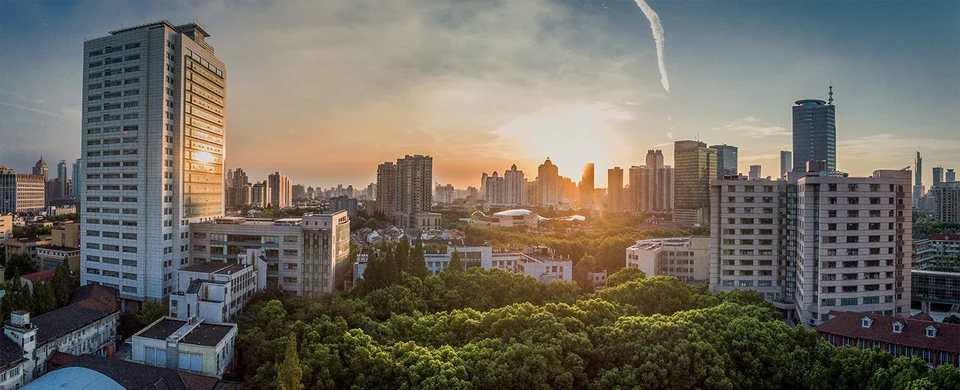
Photograph of Ruijin Hospital
Ruijin Hospital

Ruijin Hospital

Endocrinology and metabolism
For recurrent difficulties controlling blood glucose or hormone levels, or for endocrine tumour assessment, explore how endocrinology, surgery, imaging and pathology teams work together.
Ruijin’s endocrine pathway for suspected Cushing syndrome
Ruijin Hospital’s endocrine and metabolic center is a strong Shanghai resource for the diagnostic sequence behind suspected Cushing syndrome. The center covers hormone excess and endocrine tumors and has described collaboration with neurosurgery, urology, imaging, nuclear medicine and pathology. This matters when biochemistry points toward a pituitary, adrenal or other source: the same question can be considered from endocrine diagnosis through potential surgery. The immediate goal may be to get the testing sequence right, rather than to book an operation. Explore the Ruijin Hospital profile and Cushing syndrome evaluation guide to prepare focused questions. View original source
See hospital expertise

Clinical cases, services and research are identified separately. Published material does not confirm current availability or individual eligibility.

Care planning

Tell us what care you are looking for. We can help you understand hospital options, document requirements and travel arrangements.

Turn your treatment goal into a clear next step.

Before your visit

Organise existing test results and questions

When planning

Understand hospital locations, costs and appointment timing

After arriving in China

Translation and care coordination as agreed

The initial service consultation is free. Hospital care and any subsequent paid services are explained separately.

Records to prepare

Start with the records you already have. Your treating doctor will decide whether further tests are needed.

Cushing syndrome evaluation

  • Completed cortisol or suppression-test reports with sampling times
  • All steroid-containing medicines, including inhaled or topical products
  • Existing pituitary or adrenal imaging and prior endocrine opinions

Further reading

Explore the diagnosis, possible care paths and questions to ask your treating team.

High cortisol or Cushing syndrome? A step-by-step endocrine review in Shanghai
Does a high morning cortisol result prove Cushing syndrome?

No. The result must be interpreted with the reason for testing, symptoms, medication exposure and appropriate confirmatory investigations. A single value does not establish prolonged pathological cortisol excess. View original source View original source

If an MRI shows a pituitary lesion, is that Cushing disease?

Not by itself. Cushing disease requires evidence that a pituitary source is driving the hormonal problem. Imaging and endocrine results must be interpreted together. View original source View original source

Should I stop steroid medicines before the consultation or blood test?

Do not stop or change them on your own. Tell the clinician exactly what you take and follow individual instructions for testing. Abrupt withdrawal can be dangerous and can also worsen the illness being treated. View original source View original source

Turn your treatment goal into a clear next step.

Tell us what care you are looking for. We can help you understand hospital options, document requirements and travel arrangements.

The initial service consultation is free. Hospital care and any subsequent paid services are explained separately.Treatment choices, eligibility and timing require an individual assessment by the hospital's clinical team.

Contact us

Your message opens in WhatsApp or your email app for you to review before sending. Please do not include a full medical record in the first message.

Contact us on WhatsApp Contact us by email
Sources and editorial notes

See the original sources behind the clinical and hospital information on this page.

  1. NIDDK: Cushing's syndrome

    View original source

  2. Endocrine Society: Cushing's syndrome and Cushing disease

    View original source

  3. Shanghai Jiao Tong University School of Medicine: Ruijin endocrine and metabolic disease centre

    View original source

  4. NHS: Taking and stopping prednisolone

    View original source

See hospital expertiseContact us