Carbon-ion radiotherapy: recurrent nasopharyngeal cancerAfter local recurrence following radiotherapy,
explore an opportunity for carbon-ion re-irradiation.

For some patients with locally recurrent nasopharyngeal cancer after radiotherapy, carbon ions offer another local treatment pathway. Shanghai teams have re-irradiation experience in this setting. Feasibility depends on previous radiation doses and vascular risk.

Free initial service consultation · Understand your options and budget before you travel

Re-irradiation study in recurrent nasopharyngeal cancer
2-year local control rate
58.0%; single-centre non-randomised cohort, not an individual efficacy promise
2-year overall survival
83.7%; not local control and not a randomised comparison with photons

2020 study of 206 patients, median follow-up 22.8 months. Massive haemorrhage occurred in 16 patients, including 10 deaths (10/206, 4.85%). Benefit and serious risks must be assessed together. View the evidence

In the 2020 single-centre non-randomised study, 10 of 206 patients died from massive haemorrhage (4.85%). Individual risk requires separate assessment. A guided price is not the total foreign-patient cost. View sources

Seek another local treatment opportunity after recurrence following radiotherapy

Carbon ions' dose distribution and biological properties allow re-irradiation in some recurrent nasopharyngeal cancers. Shanghai teams' disease-specific experience helps consider treatment extent and critical organ risks in one plan.

Include previous radiotherapy in the new plan

Reconstruct previous irradiation fields and estimate cumulative risk to the brainstem, temporal lobes, carotid arteries and other organs to assess whether a feasible treatment field remains.

Choose a local salvage approach that fits you

If recurrence is resectable, compare surgery and other radiotherapy options. Distant metastases also require systemic treatment assessment.

View approval, research and price sources for this page

Separate re-irradiation course costs from additional expenses

In 2026, the National Healthcare Security Administration described a government-guided carbon-ion radiotherapy course price within RMB 200,000. Actual Shanghai international patient charges remain unconfirmed. Foreign patients should prepare a fully self-funded budget without Chinese insurance or assistance and separately confirm tests, admission and emergency care costs.

National Healthcare Security Administration information, 2026-04
Government-guided price for a complete carbon-ion radiotherapy course within RMB 200,000
Actual international patient charges at the Shanghai hospital
To be verified; the policy range cannot be treated as a package
Additional expenses
Pathology, imaging, planning assessment, admission, medicines and complication treatment need separate pricing

No overseas quote covering the same scope has been confirmed, so no cross-border savings are calculated. A radiotherapy course price is not the total cost of care.

View approval, research and price sources for this page

Finding treatment that fits you
starts with the reports you already have.

Clarifying your disease type and previous treatment helps establish whether this option could form part of a plan for you.

  • Confirm the extent of recurrenceUse pathology, MRI and necessary systemic staging to distinguish recurrence from radiation injury.
  • Ability to tolerate re-irradiationAssess time since previous radiotherapy, tumour volume, mucosal necrosis and vascular involvement.
  • Adjust the approach if risk is too highExisting necrosis, bleeding or excessive doses to critical organs may make carbon ions unsuitable.

Seek local control with a clear view of severe injury risks

The 2020 Shanghai single-centre study included 206 patients with median follow-up of 22.8 months. Serious late toxicity, including fatal massive haemorrhage, occurred after re-irradiation. Long-term follow-up remains necessary after treatment.

Grade ≥3 mucosal necrosis
16.02%
Massive haemorrhage
16 patients (7.77%); 10 died (4.85%)
Grade ≥3 temporal lobe necrosis
0.97%
Factors affecting outcomes
Larger tumour volume was associated with poorer local control

These risks come from this specific re-irradiation cohort and do not predict individual risk. Before treatment, assess fatal bleeding and other risks using previous radiation doses and the tumour's relationship to blood vessels. Cranial nerve injury, swallowing problems and hearing impairment also require attention.

View approval, research and price sources for this page

In Shanghai, let specialist experience
help inform your next step.

Explore Shanghai teams whose research and clinical focus relate to your condition and may warrant further discussion.

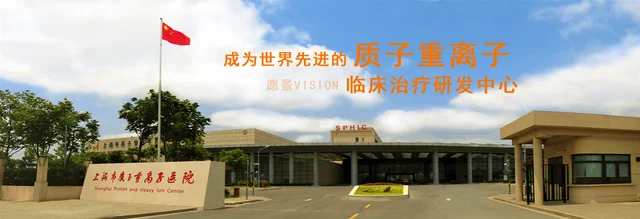
Campus photograph of Shanghai Proton and Heavy Ion Center

Campus photograph of Shanghai Proton and Heavy Ion Center

Particle radiotherapy team for recurrent nasopharyngeal cancer

Carbon-ion re-irradiation assessment

Shanghai Proton and Heavy Ion Center

Shanghai Proton and Heavy Ion Center provides carbon-ion treatment for recurrent nasopharyngeal cancer, assessing re-irradiation in relation to previous radiotherapy and recurrence location. Official Fudan reporting and the centre's 206-patient paper, authored by Hu Jiqi, Kong Lin, Lu Jiade and others, document the experience. Suitability still depends on individual dose and risk assessment.

Learn about this Shanghai team

Published research and clinical information can inform hospital selection; specific doctors, drug availability, international clinic charges and appointment dates are subject to confirmation by the hospital.

You do not need to book flights first.
Clarify treatment and costs before you travel.

Tell us your diagnosis, previous treatments and main concerns. We help you communicate about Shanghai consultation requirements, budgets and travel arrangements.

  • Retrieve previous radiotherapy DICOM plans, dose and structure files for cumulative dose assessment
  • Provide the latest nasopharyngeal MRI and systemic staging images to define recurrence extent
  • Organise recurrence pathology and original diagnostic reports to distinguish recurrence from radiation injury
  • List bleeding, necrosis, hearing changes and medicines to assess re-irradiation risk

Start the first conversation with the records you already have.

You do not need to arrange new tests yourself for an initial consultation.

Download the records checklist

Get answers to the questions that matter to you
before you travel.

Costs, potential benefit and further treatment deserve specific answers before departure.

Can I receive carbon ions after already having radiotherapy?

Some patients can, depending on the interval, previous dose, recurrence volume and vascular involvement. Existing necrosis, bleeding or excessive critical organ doses may make treatment unsuitable. Carbon ions cannot eliminate fatal bleeding risk.

Can carbon ions be guaranteed better than repeat photon radiotherapy?

No. Your individual dose plans must be compared. The available single-centre non-randomised cohort is not a direct randomised comparison with photons and cannot replace individual risk assessment.

How should I plan travel to Shanghai and follow-up afterwards?

Submit previous radiotherapy data before setting travel dates. Without dose records, safety limits may be impossible to assess. Systemic treatment, nasopharyngoscopy and MRI follow-up may still be needed after irradiation. Significant nosebleeding requires immediate emergency care, not an online follow-up appointment.

Turn the possibility of repeat treatment into an individual radiotherapy plan.

Starting with your condition and budget, we help communicate about consultations and treatment arrangements in Shanghai.

The initial service consultation is free; the treating doctor assesses your specific medical plan.

Sources and image credits

Information is compiled from public approval documents, studies and prices and does not replace an individual medical assessment. Research and cost figures each have a defined scope; published prices are not personal international patient quotes. Costs are discussed on a self-funded basis without Chinese health insurance or free-drug assistance.

  1. Cancer:Clinical outcomes of carbon-ion radiotherapy for locoregionally recurrent nasopharyngeal carcinoma · 2020-09-15
  2. Fudan University: recurrent nasopharyngeal cancer treatment at the Proton and Heavy Ion Center · 2019-05-31
  3. National Healthcare Security Administration: implementation of pricing for new technologies · 2026-04-23

Portraits and hospital images come from the cited public sources or existing project assets. Public accessibility does not constitute a commercial image licence.

Back to all treatments
Ask about this treatment