
Relapsed large B-cell lymphoma: compare CAR-T and other next treatments in Shanghai
relapsed large B-cell lymphoma options Shanghai
After large B-cell lymphoma returns, the next step depends on the exact subtype, previous medicines, response interval and current disease burden. Shanghai hematology teams can compare salvage treatment, transplantation, CAR-T and other options as a complete pathway, including bridging care and follow-up.
By eastmedgo editorial ·
On this page
Keep the discussion specific to large B-cell lymphoma
Relapsed disease has returned after a response; refractory disease has not responded adequately to treatment. These are treatment-course descriptions, not new lymphoma subtypes. This article focuses on large B-cell lymphoma, including diffuse large B-cell lymphoma (DLBCL). Options used for Hodgkin lymphoma, T-cell lymphoma or an indolent B-cell subtype cannot simply be substituted. The team should confirm which diagnosis is being treated and whether the current findings represent the same disease. Existing pathology, and further sampling when clinically justified, can change the discussion before another treatment is selected.
Sources and references: [1]
The previous response matters as much as the treatment list
A useful history states which regimens were given, when, how the disease responded and how long that response lasted. Primary refractory disease or early relapse can create a different discussion from a later relapse after a durable response. Current symptoms, disease distribution, organ function and general fitness also matter. Do not reduce this assessment to chronological age or the number of previous drugs. Ask the specialist which factor most strongly favours each option and what would make it unsuitable. The comparison should also consider how quickly control is needed and the practical demands of completing the pathway.
Sources and references: [1] [3]
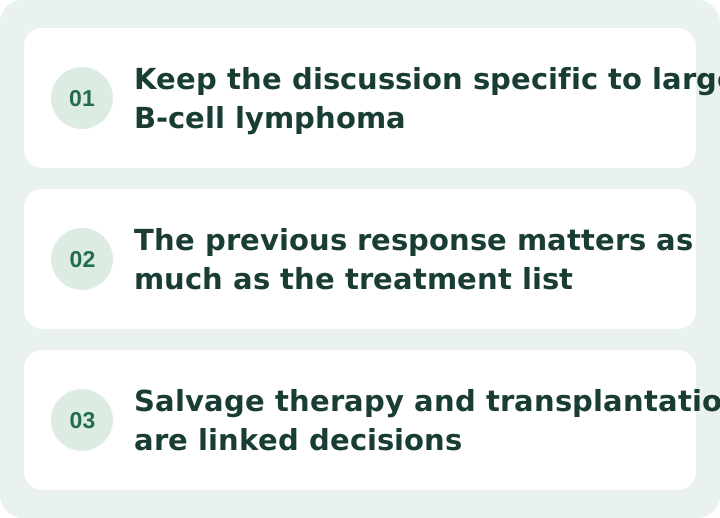
Salvage therapy and transplantation are linked decisions
Further chemotherapy or antibody-based combinations may be considered, and high-dose treatment with autologous stem-cell support is a possible pathway for selected patients. An autologous transplant uses the patient's own stem cells; it is not the same intervention as CAR-T. The decision involves more than whether stem cells can be collected: response to treatment, fitness and the expected burden of intensive treatment must be considered. Ask what the proposed initial regimen is meant to achieve and which result would lead to transplantation or a different strategy. A sequence should include a contingency if disease control is insufficient.
Sources and references: [1]
CAR-T offers a different mechanism and a longer care pathway
CAR-T uses T cells modified to recognise a target on cancer cells. For suitable large B-cell lymphoma cases, it can produce meaningful disease control, but it does not work for everyone and relapse remains possible. Collection, manufacturing, treatment preparation, infusion and monitoring are separate stages. Manufacturing takes time; ask how the team would manage disease while waiting and what happens if the intended pathway cannot proceed. Serious risks include cytokine release syndrome, neurological toxicity and infection. The suitability decision must include the ability to monitor and manage these complications, not simply eligibility to receive an infusion.
Other options deserve a subtype-specific comparison
Depending on the prior treatment and clinical situation, antibody-based or targeted regimens, a clinical trial or symptom-directed treatment may be discussed. Their goals and burdens differ: some aim for sustained disease control, while others may primarily relieve symptoms when intensive therapy is unsuitable. Radiotherapy can have a role for selected symptoms or sites, without treating it as a universal systemic solution. Ask what evidence applies to your subtype and treatment stage. Trial participation has separate inclusion criteria and is not a guaranteed fallback.
Ruijin’s lymphoma and CAR-T pathway
Ruijin Hospital’s hematology center is a significant Shanghai resource for relapsed lymphoma: Shanghai Jiao Tong University describes its work in hematologic cancer diagnosis and DLBCL research. A 2023 university report also described a dedicated lymphoma/CAR-T clinic and multidisciplinary discussions of bridging treatment and follow-up. This gives patients a strong reason to seek a specialist comparison of CAR-T, other drug regimens and transplant where relevant, rather than choosing by a single therapy name. The 2023 activity is historical context; the present choice still starts with your pathology, prior response and fitness. Explore the Ruijin Hospital profile and Relapsed or refractory lymphoma guide to prepare focused questions.
Prepare a record that allows options to be compared
Bring the original pathology and any repeat biopsy, all treatment regimens with dates and doses, response scans, reasons for stopping therapies, current PET/CT or CT images, blood counts and infection history. A focused question is whether the disease needs immediate control, which later-line options are realistic, and what bridging and follow-up each requires. eastmedgo helps organize this complex timeline and match it to a suitable Shanghai hematology team, coordinating language and travel arrangements by agreement. Ask for a written sequence, not just a list of treatments.
Price the complete pathway and arrange local follow-up
CAR-T and transplantation involve more than the infusion or procedure: assessment, possible bridging treatment, monitoring for complications, admission and post-treatment follow-up all need planning. Request costs by stage and decide where urgent support and later scans will occur after returning home. Fever, breathing difficulty or new neurologic symptoms during treatment need prompt medical review. eastmedgo can help organize the medical handover and logistics so an advanced option is feasible as a full course of care. Share the original pathology, each previous regimen and recent PET/CT images with eastmedgo. We can prepare a Ruijin comparison of CAR-T, other drug options and transplant where appropriate for this relapse.
Common questions
Is CAR-T always the next step after one relapse?
No. The exact lymphoma, timing and response to previous treatment, fitness and applicable product indications all influence the choice. The team should compare it with realistic alternatives for that individual.
Can a US treatment list tell me what is available in Shanghai?
No. It provides clinical background, not a current Chinese approval or supply list. The hospital must confirm the product, permitted use, service availability and individual eligibility.
Sources and references
- National Cancer Institute: Non-Hodgkin lymphoma treatment, patient PDQ
- National Cancer Institute: T-cell transfer therapy
- National Cancer Institute: CAR T cells, updated February 2025
- Shanghai Jiao Tong University School of Medicine: Ruijin hematology centre
- Shanghai Jiao Tong University School of Medicine — Ruijin lymphoma and CAR-T care, 2023